Commercial Flood Damage Cleanup in Whiteland, IN
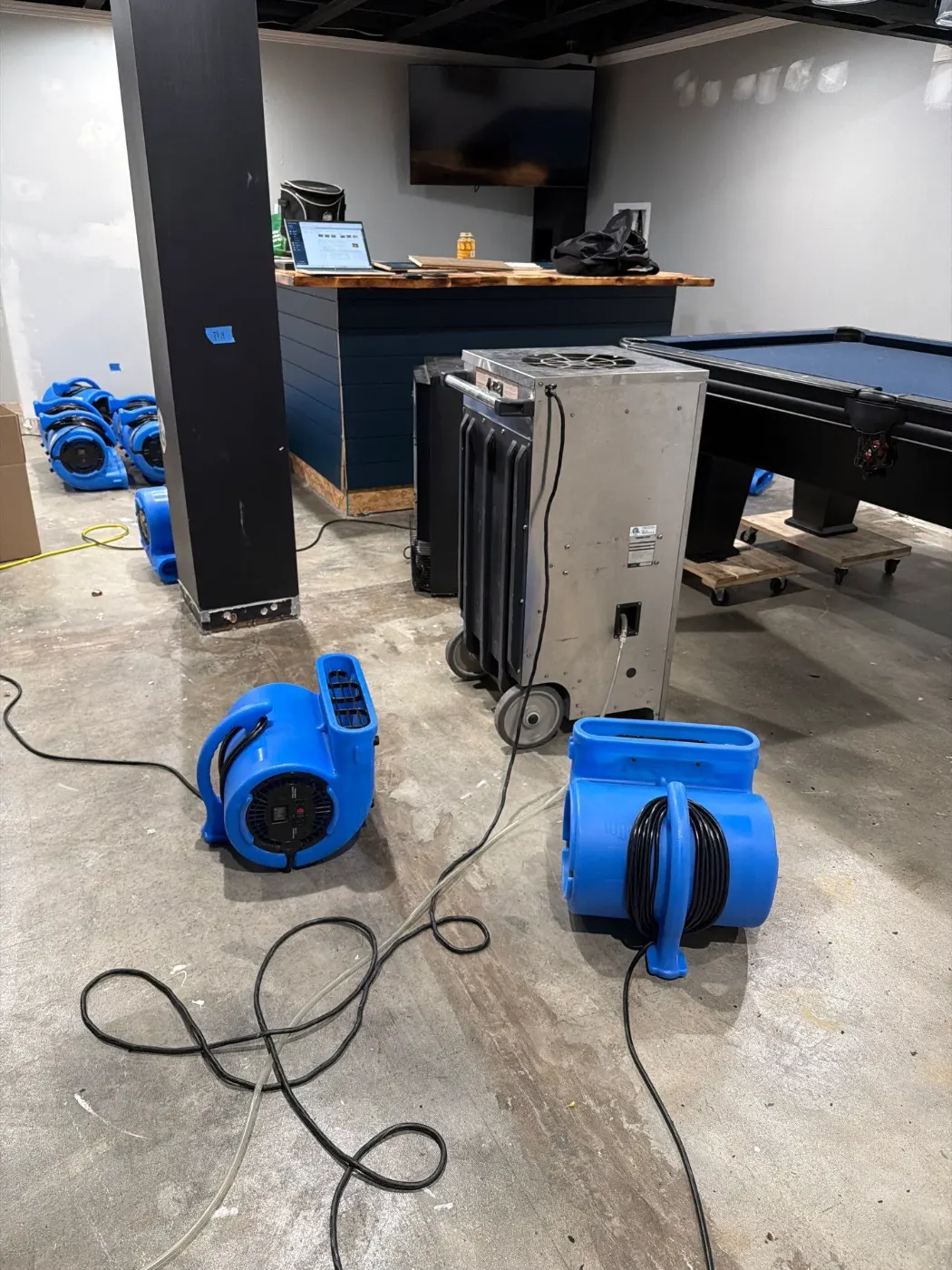
Mud and soaked materials removed from Whiteland commercial buildings, documented for the owner and the adjuster.
Whiteland Water Restoration handles Commercial Flood Damage Cleanup for Whiteland, IN homeowners: emergency dispatch around the clock, IICRC certified technicians, and insurance coordination on approved claims. Call (463) 223-3831.
- Service: Commercial Flood Damage Cleanup for Whiteland homeowners
- Service area: Whiteland, IN and surrounding areas
- Response time: Same day emergency response for Whiteland; 24/7 availability
- Licensed and insured (License #RC21100059)
- Serving Whiteland, IN since 2018
Commercial Flood Damage Cleanup for Whiteland Businesses
A regional storm tends to flood more than one building. Property managers with several addresses in Whiteland and Johnson County need a separate moisture record and photo set for each location, so every property can be reviewed on its own. Whiteland Water Restoration opens that file at the first walkthrough of each commercial building and keeps it current until the final reading.
Whiteland Water Restoration logs each haul off load from a commercial flood in Whiteland by date and material type and keeps the disposal receipt with the record. A photo of the pile before it's loaded goes in the same file, so the question of what came out of the building has a written answer.
Pumped floodwater needs somewhere approved to go, and that gets settled before the first pump starts. The crew confirms with the property manager and the local utility where floodwater from your Whiteland site may be discharged, because contaminated water can follow different rules than clean water. Hoses get routed away from the building and from neighboring properties, and the discharge point goes in the job file.
Flood policies and property policies each set their own notice requirements, and proof of loss paperwork can carry short deadlines. Report the loss as soon as the water is under control, and ask the carrier to confirm every deadline in writing. Whiteland Water Restoration supplies the photographs and readings for your Whiteland property that the paperwork draws on.
If there's standing water in your building right now, call Whiteland Water Restoration. A commercial crew dispatches to Whiteland, IN, day or night, with pumps sized to the volume on the floor. The documentation file starts with the first reading the crew takes.
Signs You Need Commercial Flood Damage Cleanup
If you notice any of these in your Whiteland building, schedule a free inspection before the issue worsens.
A dark tide line on drywall or wall base running along a corridor at a consistent height
Silt packed into trench drains and floor drains after a flood
A discharged sprinkler head with ceiling tiles collapsed or sagging in the grid below it
Water staining on stairwell walls or landings leading down to a basement or garage level
Floor drains backing up or holding water long after the last discharge into them
Floodwater that reached electrical panels or outlets on the ground floor
Carpet squishing underfoot in an entry lobby after a heavy rain
White powdery efflorescence appearing on block or poured concrete walls on a below grade level
Standing water in an underground parking level with an oily film on the surface
Rust forming at the base of steel shelving uprights or pallet racking where it meets the slab
How Whiteland Water Restoration Handles Commercial Flood Damage Cleanup
We follow these steps in order on every Whiteland job.
Two Hour Dispatch
Whiteland Water Restoration dispatches a commercial crew to the property within two hours of the call, day or night. The truck arrives loaded with submersible and trash pumps, truck mounted extraction, dehumidification, air movers, moisture instruments, and containment material for the square footage reported on the phone.
Mapping the Wet Area
Thermal imaging and penetrating meters survey every affected area, including the slab, wall cavities, ceiling plenums, and anything below grade. The wet boundary gets marked on a floor plan, so the drying scope matches the real footprint of the water and a carrier can follow why each area was treated.
Dehumidification Sizing
Dehumidifier and air mover counts come from the cubic volume of the affected space and the amount of wet material. Refrigerant units handle open floor area, desiccant units pull moisture out of masonry and concrete, and the math gets rechecked as the daily readings move.
HVAC Coordination
The crew works with building engineering to set the air handlers where they support drying and keep humid air out of unaffected areas. Ductwork and units that sat in water get flagged for your HVAC contractor to check before the system goes back into service.
Final Readings and Walkthrough
Equipment is pulled in stages as each material meets the dry standard on consecutive visits. The crew lead then walks the building with you, and the final readings by location go into the file.
Commercial Flood Damage Cleanup in Whiteland
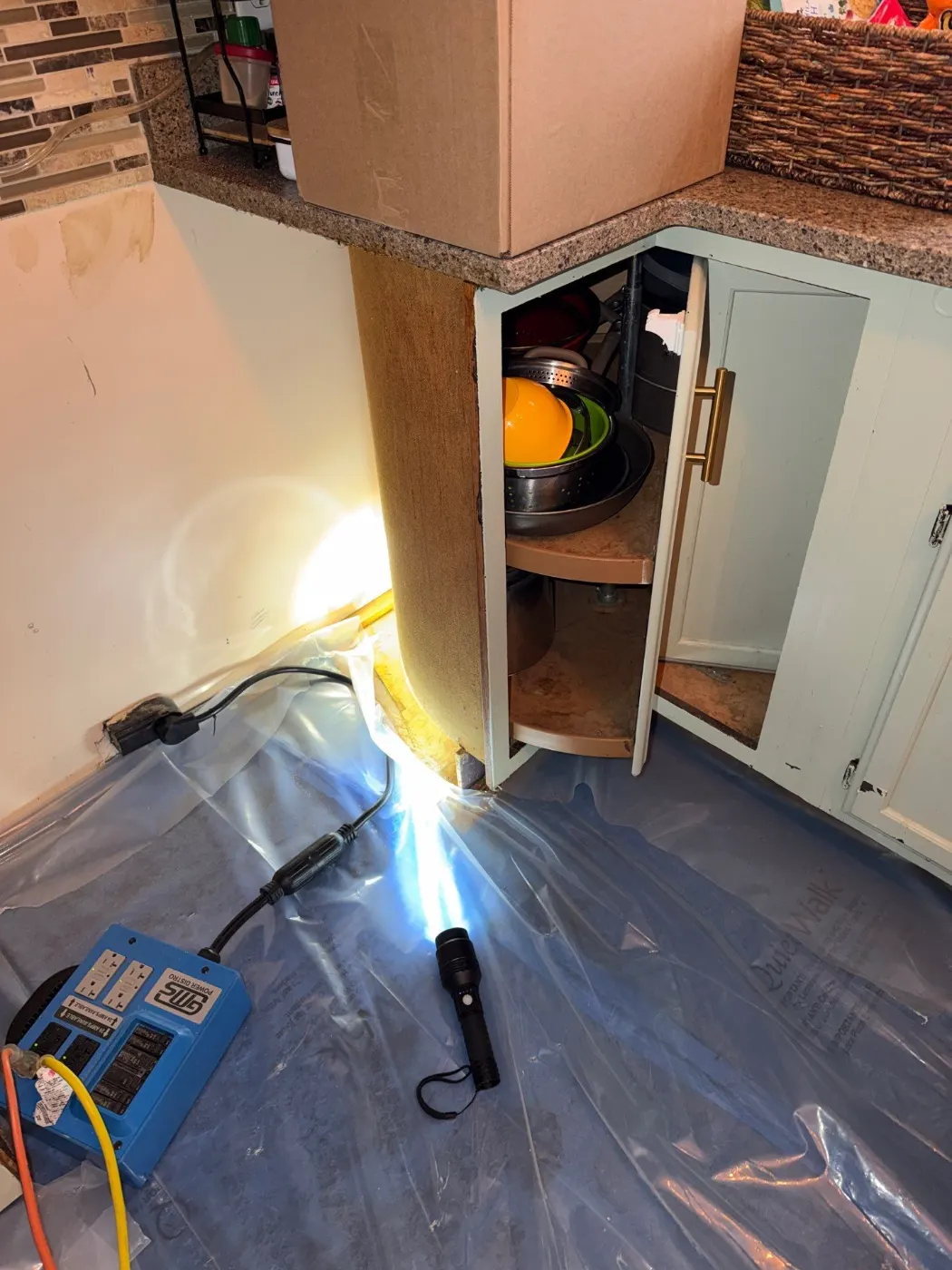
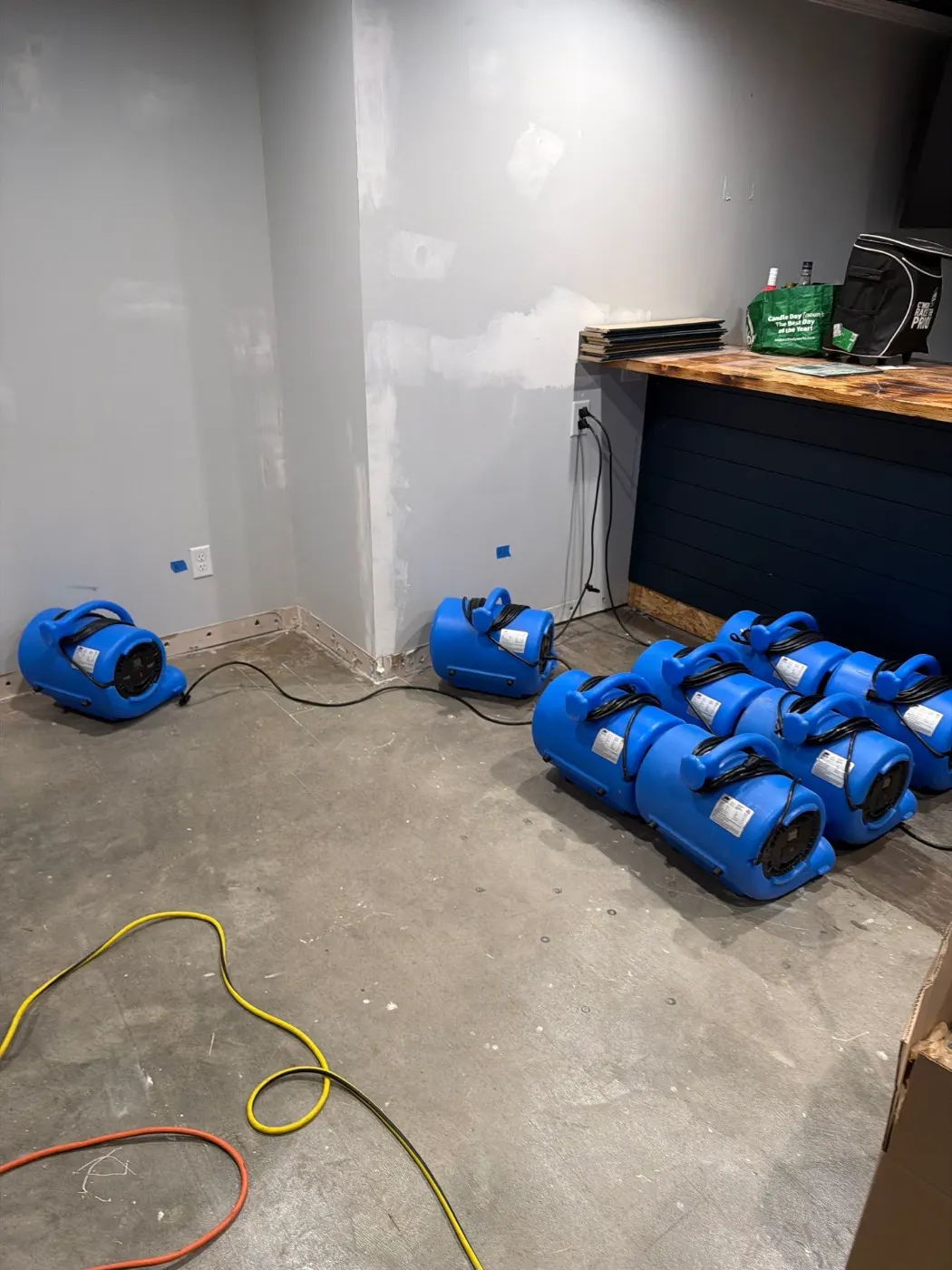
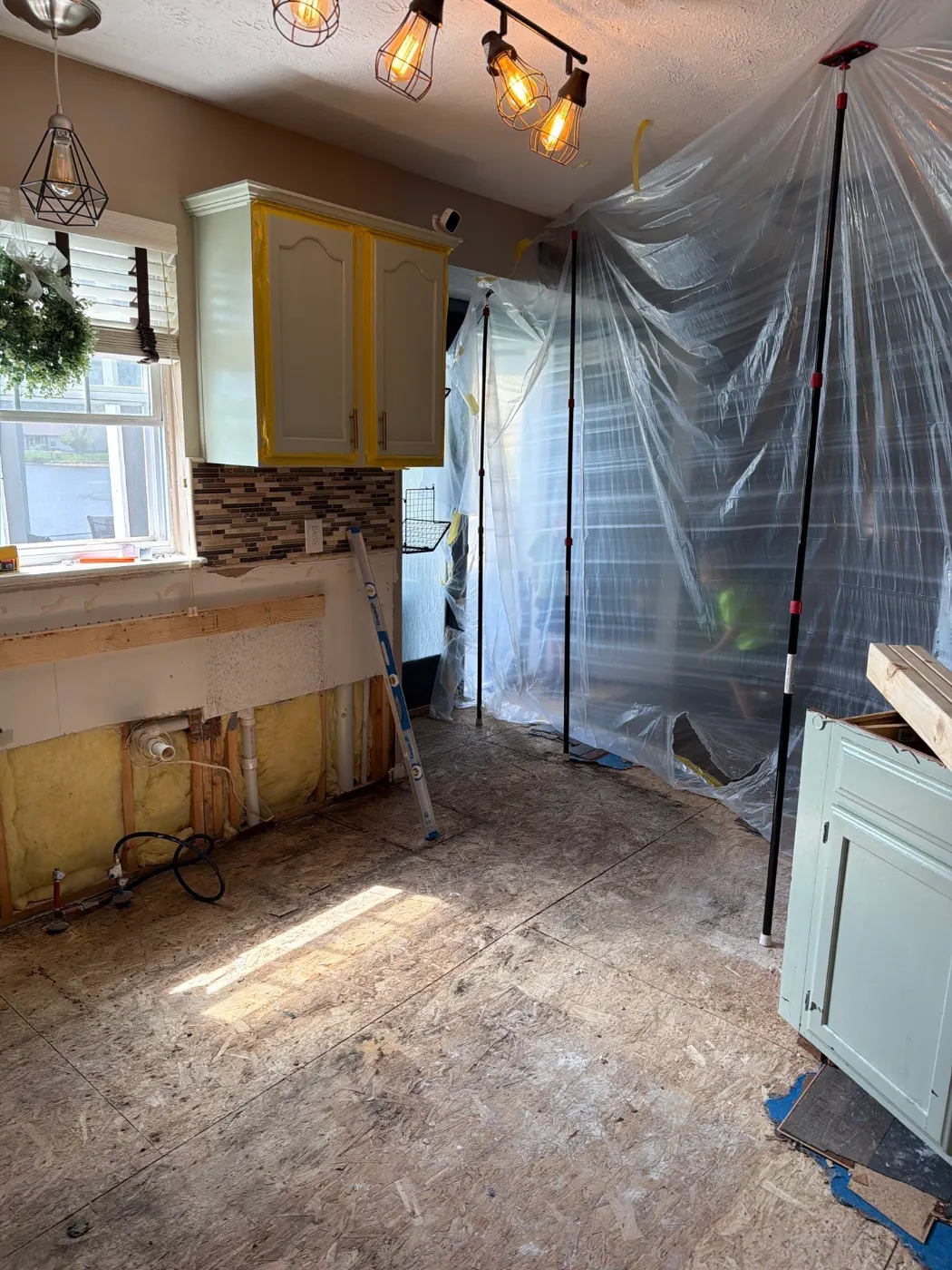
Photographs from real commercial flood damage cleanup jobs completed by our crew in Whiteland and surrounding areas.
Commercial Flood Damage Cleanup FAQ
Questions Whiteland property managers ask us about commercial flood damage cleanup.
Guidance and Standards for Commercial Flood Damage Cleanup
- The ANSI/IICRC S500 is the published standard for professional water damage restoration. The current edition is the Fifth Edition, 2021. IICRC S500 Standard
- EPA advises drying water damaged areas and items within 24 to 48 hours to prevent mold growth. EPA: A Brief Guide to Mold, Moisture and Your Home
Whiteland Neighborhoods We Serve
We take commercial flood damage cleanup calls in every part of Whiteland. Pick your neighborhood for local details.
Other Restoration Services in Whiteland
Whiteland Water Restoration handles the full scope of restoration work. Explore our other services below.
Water Damage Restoration in Whiteland
24/7 emergency response. IICRC certified water restoration from extraction to full dry out.
Learn more →Basement Flooding in Whiteland
Basement water emergencies handled fast. Extraction, drying, mold prevention.
Learn more →Sewage Cleanup in Whiteland
Category 3 biohazard cleanup. Full containment, decontamination, structural restoration.
Learn more →Request Commercial Flood Damage Cleanup
Reach Us Directly
Our team is available 24/7 for emergencies and ready to schedule inspections during business hours.
Need Immediate Help?
For active water or mold emergencies, call us directly. We are available 24/7.